
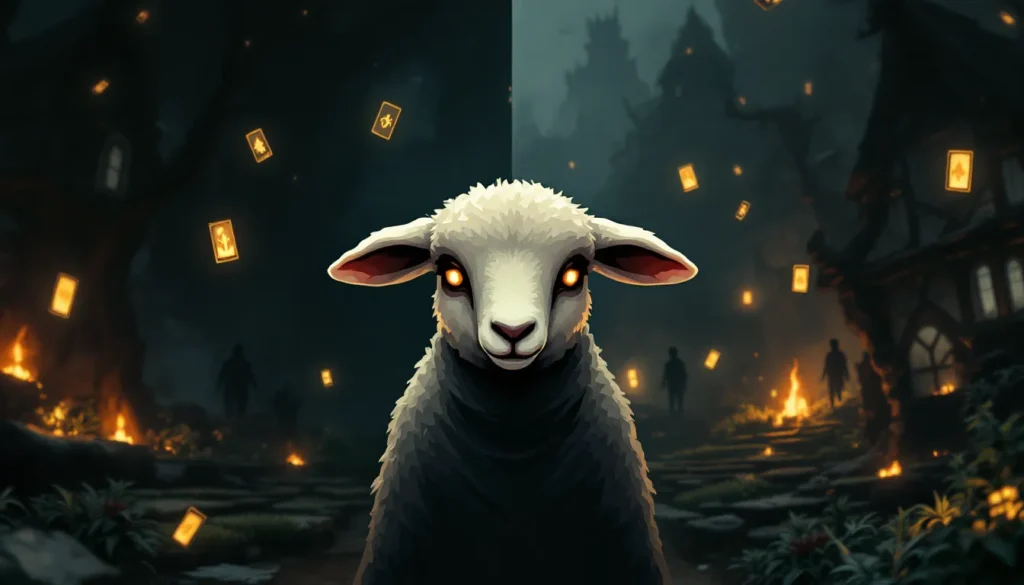
Cult of the Lamb has quietly become one of the most captivating indie games on Nintendo Switch, blending roguelike dungeon crawling with church management in a way that shouldn’t work but absolutely does. If you’ve been scrolling through the eShop and spotted this quirky title with the unsettling lamb protagonist, you’re probably wondering what the hype is about, and whether it’s worth your time and money. The truth is, this game has carved out a dedicated following precisely because it refuses to fit into a single genre, offering a refreshingly strange experience that keeps players coming back for “just one more run.” Whether you’re a seasoned roguelike veteran or someone who’s never touched a dungeon crawler before, this guide will walk you through everything you need to know about playing Cult of the Lamb on your Switch.
Key Takeaways
- Cult of the Lamb on Nintendo Switch uniquely blends roguelike dungeon crawling with cult management simulation, creating a genre-defying experience that maintains engaging gameplay loops in both combat and base-building phases.
- The game performs exceptionally well on Switch with stable 60 FPS, minimal load times, and thoughtful UI scaling that makes handheld mode feel intentional rather than compromised, making the console its ideal platform.
- Tarot Cards and weapon variety create significant build depth, with over 100 unique passive abilities enabling different synergies and strategies across runs, rewarding both newcomers and veteran players with continuous discovery.
- Cult of the Lamb respects player time through 15-30 minute runs, meaningful progression in short sessions, no predatory mechanics, and free post-launch updates that expand content without fragmenting the experience.
- Strategic resource management between dungeon runs—from follower happiness to doctrine choices and base layout optimization—compounds gameplay decisions, making each cult playthrough uniquely different and memorable.
What Is Cult of the Lamb?
Game Overview and Core Mechanics
Cult of the Lamb is a roguelike action game developed by Massive Monster and published by Devolver Digital, released on Nintendo Switch in November 2022. At its core, you play as a lamb, literally, who’s been spared from execution by a mysterious dark entity called The One Who Waits. In exchange for your survival, you’re tasked with building a cult and converting followers to worship your dark lord.
The game alternates between two distinct gameplay loops. First, there’s the roguelike dungeon crawling: you descend into procedurally generated levels, fighting enemies with a simple but satisfying combat system. You dodge, slash, and use special abilities while managing limited resources. Each run feels different thanks to weapon variety and unlockable passive abilities called Tarot Cards. Every few rooms, you’ll face a boss that tests your skills and reflexes. Defeat the boss, and you’ll gain resources to spend in your cult.
Then comes the management sim portion. Between dungeon runs, you return to your cult base and tend to your flock. You farm resources, craft items, cook meals, and recruit new followers. You need to keep your followers happy, fed, and indoctrinated. It’s part Stardew Valley, part Papers, Please, and entirely weird, but that’s what makes it special.
Why It Became a Gaming Phenomenon
Cult of the Lamb captured the gaming zeitgeist for several reasons. First, it arrived during the indie renaissance when players were hungry for games that took creative risks. The premise alone is absurdist enough to turn heads: a cute lamb building a sinister cult. There’s dark humor woven throughout that appeals to adults without feeling preachy.
Second, the game respects the player’s time. A single run takes 15-30 minutes, making it perfect for handheld play on Switch. You can make meaningful progress in short sessions, then come back tomorrow. The progression system feels generous, you’re constantly unlocking new weapons, abilities, and building options, so there’s always something new to discover.
Third, the community embraced it. Players started sharing their cult designs, speedruns, and funny moments. The game became a TikTok and YouTube phenomenon, with creators making content about their absurd cult bases. According to Nintendo Life, the game sold incredibly well across all platforms, proving that indie games could compete with AAA titles when they had soul and originality.
Nintendo Switch Performance and Technical Details
Graphics and Visual Quality on Switch
Cult of the Lamb uses a stylized, hand-drawn aesthetic that translates beautifully to Nintendo Switch. The art direction is deliberately dark and whimsical, with character designs that range from grotesque to strangely endearing. The lamb’s big eyes, the unsettling presence of The One Who Waits, and your followers’ varied personalities all come through in the visual design.
On Switch, the game runs at a native resolution that maintains the pixel-art-adjacent style without noticeable downscaling during handheld mode. The color palette is deliberately muted and dark, which means the Switch’s screen doesn’t struggle with brightness or saturation issues that plague some ports. Docked mode looks sharper on a larger TV, but handheld play doesn’t feel like a compromise, it feels intentional, almost intimate.
Frame Rate, Load Times, and Stability
Cult of the Lamb targets 60 FPS on Nintendo Switch, and it generally maintains this during both dungeon exploration and management segments. There are occasional dips during intense combat sequences with multiple enemies on screen, but they’re minor and rarely impact gameplay. A few months after launch, the developers released patches that improved overall performance, so what you’re playing in 2026 is a more stable version than the launch build.
Load times are a non-issue. When transitioning between the cult base and dungeons, you’ll see a brief loading screen, maybe 2-3 seconds, but it’s negligible. The game doesn’t have the long, frustrating load times that plagued some earlier Switch ports. Room-to-room transitions during dungeon runs are seamless.
Stability has been solid throughout the game’s lifespan on Switch. The developers took the platform seriously and didn’t just port a PC version and call it a day. You won’t experience crashes or frequent stuttering, which is more than some indie developers manage.
Handheld vs Docked Mode Experience
This is where Cult of the Lamb truly shines on Switch. The game was designed with handheld in mind, so playing it undocked doesn’t feel like settling for second-best. The UI is properly scaled, text is readable, and the screen real estate is sufficient for managing both combat and cult operations.
In handheld mode, the game feels intimate and personal. You’re holding a tiny cult in your hands, which adds to the absurdist humor. The dark aesthetic actually benefits from the smaller screen, it feels cozier somehow.
Docked mode on a TV gives you a better overview during management segments. You can see more of your cult base and plan your layouts more strategically. For combat, the larger screen makes it easier to track enemy patterns, though the gameplay doesn’t fundamentally change. Most dedicated players toggle between both depending on their mood and situation.
Gameplay and Progression Systems
Combat and Roguelike Mechanics
Combat in Cult of the Lamb is deliberately simple but demands precision. You have a basic melee attack, a dodge roll, and one special ability (or “Curse”) that you can equip. The core loop is dodge, slash, dodge again. It’s reminiscent of classic roguelikes like The Binding of Isaac, but with a more action-oriented feel.
What makes combat engaging is weapon variety. You’ll unlock different weapons, daggers, swords, axes, scythes, each with unique attack patterns and speeds. A fast dagger plays differently than a slow greatsword. Some weapons scale with specific stats, so build variety matters.
Tarot Cards are the passive abilities you pick up during runs. A card might increase your damage by 20%, grant fire damage to your attacks, or give you a shield on hit. You can hold multiple cards simultaneously, and smart combinations create powerful synergies. Over 100 unique cards exist, so there’s tremendous depth here. The roguelike progression means each run feels different because your card offerings vary.
Bosses appear every few rooms and serve as major difficulty spikes. They have attack patterns, special moves, and mechanics you need to learn. Your first encounters will likely end in death, but that’s the roguelike experience, learning enemy patterns, adapting your strategy, and trying again.
Defeating bosses and clearing rooms earns you Gold and Believer Tokens, which are your primary resources for base building.
Base Building and Cult Management
Between runs, you return to your cult headquarters. This is where Cult of the Lamb becomes something entirely different, a management sim where every decision affects your followers.
You start with a small, empty plot of land. You can build various structures: bedrooms for followers, a kitchen to cook meals, a prayer room to indoctrinate, a sick bay to heal followers, a prison to contain troublemakers, and much more. Each structure costs Gold to construct and serves specific functions.
Followers have loyalty, hunger, sickness, and mortality. Let them go hungry, and they’ll abandon your cult. Let them get sick without treatment, and they’ll die. Unhappy followers might rebel or slow down your progress. You need to balance their needs with your resource availability.
You can execute followers, marry them off, or sacrifice them to The One Who Waits for powerful bonuses. Some players embrace the darkness and run genuinely evil cults. Others treat followers kindly and focus on genuine indoctrination through sermons. The game doesn’t judge, it simply responds to your choices.
Cooking is a key activity. You gather ingredients and craft meals that increase follower happiness when served. Some recipes are straightforward: others unlock special effects or stat boosts. Farming takes time but produces steady ingredients.
Most importantly, you control your cult’s doctrine. Through sermon choices and building decisions, you establish your cult’s values: are you merciful or cruel? Industrious or hedonistic? These doctrinal choices affect how followers respond and what buildings become available.
Unlockables, Weapons, and Upgrades
Progression in Cult of the Lamb is relentless and rewarding. Every run, whether successful or failed, grants you something new. You unlock new weapons, new Tarot Cards, new follower forms, new buildings, new recipes, and new sermon dialogue options.
Weapon unlocks happen through boss defeats and random drops during runs. You’ll eventually amass a full arsenal, each with distinct playstyles. Some weapons are strictly better for specific builds: others are situational.
Ritual Progression unlocks powerful one-time abilities you can use during cult operations, summoning demons, blessing crops, or purifying followers’ minds. These feel impactful and create moments of “I can finally do that thing I’ve been planning.”
Follower forms unlock as you convert new disciples. You’ll see variation in your cult population as new character designs become available. It’s a small detail, but seeing your base fill with diverse follower types keeps the management portion visually interesting.
Upgrades for your cult base are purchased with Gold, and base-building becomes an endgame focus. Expanding your land, creating elaborate layouts, and optimizing efficiency transforms your base from a humble hamlet into an actual cult headquarters. The top Nintendo Switch games often mention how sandbox-style progression keeps players engaged for hundreds of hours, and Cult of the Lamb follows this principle.
Essential Tips and Strategies for New Players
Beginner-Friendly Advice for Survival
When you first start Cult of the Lamb, the difficulty might surprise you. This isn’t a gentle game. Here’s how to survive your early runs:
Prioritize dodging over attacking. You can always heal, but you can’t undo getting hit. Master the dodge roll timing, and most early combat becomes manageable. You’ll take chip damage sometimes, that’s normal. The goal is avoiding massive damage spikes.
Pick up every Tarot Card offered. Early on, you’re weak, and every bonus matters. Don’t overthink synergies: just take damage increases, healing cards, and movement speed. As you unlock more cards and understand synergies better, you can optimize later.
Heal whenever possible. If you see a healing fountain or a card that heals on hit, grab it. Early boss fights will absolutely test your composure, and a health buffer is the difference between victory and a restart.
Expect deaths. Roguelikes are designed around failure. You’ll die dozens of times before beating a boss for the first time. Each death teaches you an enemy pattern or reveals a card synergy. Embrace it.
Don’t neglect early base building. You need followers to generate resources. Build bedrooms early and recruit disciples actively. A small cult still produces gold and crops: an empty base produces nothing.
Optimizing Your Cult and Resource Management
Once you’ve cleared your first few bosses, base optimization becomes critical. Resources are finite, and you’ll need to plan ahead.
Establish a supply chain. Dedicate farm plots to essential crops. Set up cooking stations near storage. Organize your base so that followers can efficiently move between work areas and rest areas. Pathfinding isn’t complicated, but inefficient layouts slow production.
Manage follower happiness proactively. A happy follower works faster and consumes resources more slowly. Serve meals regularly, host sermons, and maintain a comfortable environment. Unhappy followers slow your progress and might leave.
Focus your doctrine choices. Early decisions establish your cult’s character. If you’re running a merciful cult, invest in hospitals and comfort buildings. If you’re running a factory cult, maximize farms and work areas. Mixed approaches work, but focused cults operate more efficiently.
Sacrifice strategically. Sacrificing followers to The One Who Waits grants powerful temporary bonuses during dungeon runs. But it impacts morale and population. Don’t sacrifice essential workers: cull the weak or rebellious.
Plan base expansions carefully. New land costs gold, so you can’t expand infinitely. Expand when you need specific buildings, not randomly. Each expansion should support a clear goal, doubling farm output, adding sick bays, creating a prayer room network.
Advanced Tactics for Veteran Players
Once you’ve logged 50+ hours, you’ll start noticing advanced strategies:
Tarot synergies become everything. Certain card combinations create exponential power growth. Weapons that trigger on-hit effects combined with cards that spawn projectiles can trivialize late-game content. Study your card pool and identify these combos.
Weapon-specific builds matter. Don’t just grab every weapon. Some weapons synergize with specific cards, spears with attack speed cards, axes with critical chance cards. Building intentionally creates massive power spikes.
Cult doctrine creates emergent strategies. An industrious cult with low wages can farm resources obsessively. A hedonistic cult unlocks comfort buildings that provide synergistic bonuses. These doctrinal effects compound, making doctrine choice surprisingly strategic.
Speedrun mentality improves efficiency. Watch how speedrunners structure their bases and manage followers. They’ve optimized movement, production queues, and sermons. Borrowing their ideas accelerates your progression massively.
Memorize boss patterns. Veteran roguelike players can predict every attack and dodge preemptively. Each boss has three or four core attack patterns. Learn them, and the final bosses become manageable even on high difficulty.
Use the sacrifice mechanic for progression. Strategic sacrificing unlocks powerful boons without wasting resources. Plan your sacrifices to support your current run strategy. If you’re building a speed-focused character, sacrifice followers that grant move speed and attack speed bonuses.
What Makes Cult of the Lamb Stand Out on Switch
Unique Blend of Genres and Storytelling
Cult of the Lamb’s genius lies in its refusal to pick a lane. It’s a roguelike dungeon crawler. It’s a management sim. It’s a dark comedy. It’s a narrative experience. Most games that attempt genre-blending feel disjointed, but here, the fusion feels organic.
The roguelike and management portions feedback into each other seamlessly. You fight in dungeons to earn resources for your base. You improve your base to unlock better abilities for your dungeons. This cycle creates natural progression and prevents either mode from feeling mandatory or tedious.
The narrative unfolds gradually as you play. The One Who Waits whispers to you throughout runs, dropping hints about your circumstances. Your followers develop personalities and occasionally trigger story moments. The game doesn’t force a cutscene every five minutes: instead, it weaves storytelling into gameplay naturally. By the end, you’ll have a genuine understanding of who the lamb is and why this whole cult situation exists.
The tone is deliberately dark without being edgy. It’s funny, sometimes uncomfortably so, without relying on lazy jokes. Followers have genuine personalities: some are creepy, some are earnest, some are tragic. Your cult becomes populated with characters you recognize and remember.
Switching between intense dungeon combat and cozy base management creates emotional variety. You’re stressed during runs, then relaxed while farming crops. This pacing prevents burnout and makes long sessions feel natural.
Replayability and Content Updates
Cult of the Lamb launched with substantial content, and the developers have steadily added more. By 2026, the game has received multiple meaningful updates that expanded the experience without fragmenting the playerbase or creating pay-to-win mechanics.
Replayability comes from several sources. First, procedurally generated dungeon layouts mean no two runs are identical. Second, the massive Tarot Card pool creates different build possibilities each run. Third, your cult design is entirely player-driven, you can restart and create a completely different base layout with different doctrines.
Seeds exist for consistency. If you want to replay a specific run or challenge yourself with the same dungeon layout, you can. This appeals to speedrunners and content creators.
Seasonal events and special challenges keep the game feeling fresh. The developers release limited-time challenges with specific rules or modifiers, encouraging players to return and try new strategies. Games on sites like GameSpot often highlight how post-launch support extends a game’s lifespan, and Cult of the Lamb demonstrates this perfectly.
New follower types, buildings, and sermon options have rolled out across updates, expanding base-building possibilities without making older bases obsolete. Your previous cult experience remains valid even as new content emerges.
Most importantly, the core game loop is intrinsically replayable. Unlike story-focused games that lose appeal after beating them, Cult of the Lamb remains engaging because the systems are inherently fun. You can play for 100 hours and still find new card combinations or base designs to try.
Community and Player Reception
The community around Cult of the Lamb is surprisingly vibrant for an indie title. Players share their cult designs on social media, create elaborate base layouts that would make any city planner weep, and theorize about hidden lore elements. The subreddit and Discord communities are active and welcoming, helping newcomers learn mechanics and celebrate player achievements.
Player reception has been overwhelmingly positive. The game currently sits at “Universal Acclaim” on Metacritic, with both critics and players praising its originality, polish, and staying power. On the Nintendo eShop, it maintains consistently high ratings across all platforms.
Why does the community love it? Because it respects players’ time and agency. You’re not forced through artificial gating. You’re not bombarded with ads or micro-transactions. You’re not expected to spend 100 hours to see all content, though you can if you want. The game simply offers depth and invites you to explore it at your pace.
Creators have embraced the game enthusiastically. YouTubers and streamers regularly return to it because it’s entertaining to watch and provides natural commentary opportunities. Seeing someone’s carefully planned cult descend into chaos makes compelling content. IGN and other major outlets regularly reference Cult of the Lamb when discussing standout indie games, cementing its cultural relevance.
The Switch version specifically gets praised for its portability. Players appreciate being able to pause a dungeon run midway through, dock their Switch, and resume on a TV. This flexibility is a defining feature of the platform, and Cult of the Lamb leverages it beautifully.
One minor criticism: some players found the difficulty curve inconsistent, with certain boss patterns feeling unfair compared to others. The developers addressed this with balance patches, though debates continue about ideal difficulty tuning. But this is standard in roguelike communities: players will always have opinions about balance.
Is Cult of the Lamb Worth Playing on Nintendo Switch?
Absolutely, but let’s be specific about why.
Cult of the Lamb is worth playing if you enjoy roguelikes, management games, or experiences that refuse genre constraints. It’s worth playing if you appreciate originality and dark humor. It’s worth playing if you value polish and respect for player time. It’s worth playing if you want a game that feels complete and crafted, not rushed or padded.
It’s especially worth playing on Switch because the platform is its natural home. The handheld experience is genuinely excellent, and the game respects the Switch’s strengths by offering reasonable performance and smart UI scaling. You’re not playing a compromise version: you’re playing a thoughtfully ported game that understands the hardware.
The value proposition is solid. For $25 USD (or regional equivalent), you’re getting 50-100+ hours of engaging gameplay with no predatory mechanics, no battle pass grinding, and no content locked behind paywalls. Updates are free. The experience is complete at launch but continues to expand because the developers care.
Skip it if you hate roguelikes fundamentally, if dark themes offend you, or if you need high-octane action every second. This game has pacing and intentional downtime. But for everyone else? This is a must-play.
The Nintendo Switch doubles in value when it has games like Cult of the Lamb in its library, games that feel specifically designed for the platform’s strengths. This is indie gaming at its finest: ambitious, original, and thoroughly playable on a handheld console.
In 2026, with hundreds of eShop releases to choose from, Cult of the Lamb remains one of the standouts. It’s the kind of game you remember five years later and recommend to friends who ask “what should I play on my Switch?”
Conclusion
Cult of the Lamb transcends typical roguelike and management game classifications through its thoughtful blend of genres, compelling narrative, and respectful approach to player experience. On Nintendo Switch specifically, the game finds its ideal home, portable, performant, and perfectly paced for handheld gaming.
The roguelike combat loop provides engaging challenges with depth for optimization, while the cult management segments offer creative expression and long-term progression goals. This duality keeps the experience fresh across dozens of hours, preventing the fatigue that plague single-genre games.
What eventually matters: Cult of the Lamb is a complete, polished, and original experience that respects your time and intelligence. It doesn’t demand grinding or spending extra money. It doesn’t force you through empty content. It simply offers a weird, wonderful, and strangely addictive game that wants you to succeed, and to laugh while you’re building your dark fellowship.
If you’re looking for your next Nintendo Switch obsession, Cult of the Lamb has earned its place on your device. The only warning is that “just one more run” becomes a dangerous phrase when this game is nearby.