Nintendo Switch has built its reputation as a family-friendly console, but that doesn’t mean adults looking for mature gaming experiences are out of luck. Over the past few years, the library has expanded significantly to include titles that tackle complex narratives, artistic themes, and content designed explicitly for adult audiences. Whether you’re looking for story-driven games with philosophical depth or indie titles exploring sensitive subjects, Nintendo Switch has quietly become home to a diverse range of mature content. This guide breaks down what’s available, how ratings work, and how to make informed decisions about what you play.
Key Takeaways
- Nintendo Switch games with nudity and mature content are rated M for Mature (ages 17+) or occasionally AO (18+), with ESRB ratings and content descriptors available on the eShop to help adult gamers make informed decisions.
- Mature Nintendo Switch games span beyond explicit content—titles like Fire Emblem: Three Houses and Hellblade offer narrative depth and artistic complexity that appeal to adult audiences through psychological themes and storytelling rather than shock value alone.
- Nintendo doesn’t censor third-party mature games; M-rated titles like The Witcher 3 play identically on Switch as on other platforms, though some indie and artistic games achieve maturity through thematic exploration rather than explicit content.
- Regional differences in content ratings (ESRB, PEGI, CERO) mean some mature games vary in availability across North American, European, and Japanese eShops, so importing or using multiple accounts may reveal availability differences.
- Research specific content warnings on platforms like Common Sense Media, IGDB, and YouTube rather than relying solely on letter ratings, since individual tolerance for violence, sexual content, or psychological themes varies significantly.
- Adult gamers should prioritize intentionality when selecting Nintendo Switch games with mature themes—evaluating specific content types over broad ratings and respecting personal boundaries while ignoring assumptions about what “mature” must mean.
Understanding Mature Ratings and Content Warnings on Nintendo Switch
ESRB Ratings and What They Mean for Adult Gamers
The ESRB (Entertainment Software Rating Board) assigns ratings to games sold in North America, and understanding these categories is crucial for adult gamers deciding what fits their comfort level. The M for Mature rating is the most relevant for adults seeking mature content, it’s designated for ages 17 and up and indicates the game contains content like intense violence, strong language, blood, or sexual content. This isn’t a hard lock: it’s a guideline. But, an M-rated game on Switch might feature intense violence, suggestive content, or morally complex storytelling that doesn’t appear in E or T-rated titles.
Below M, there’s T for Teen (ages 13+), which can still contain violence, mild profanity, and thematic content that some adults find compelling but not necessarily “adult” in the traditional sense. Games like Fire Emblem: Three Houses carry a T rating yet explore war, political intrigue, and character death in ways that resonate deeply with adult players.
Above M sits AO for Adults Only (18+), though this is extremely rare on Switch. The AO rating typically involves graphic sexual content or extreme violence that few publishers pursue on Nintendo‘s platform. Understanding these distinctions helps you navigate what’s actually on offer.
How Nintendo Switch Handles Mature Content Filtering
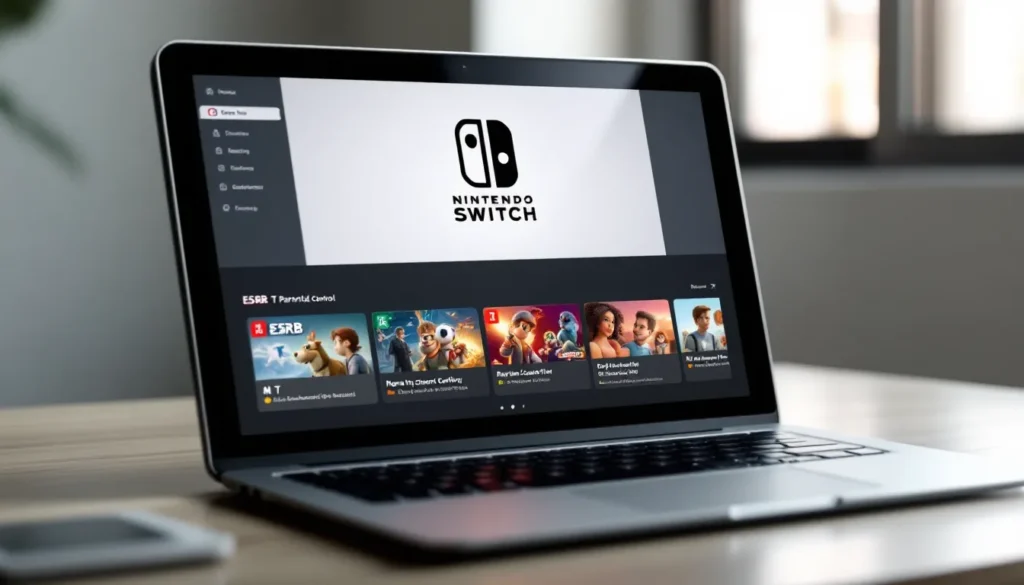
Nintendo allows users to set parental controls that can restrict downloads and purchases based on ESRB rating. This system respects adult ownership of the console, you can disable filters entirely on your account, while protecting younger users if they have restricted accounts. The eShop displays rating information prominently on every game’s store page, and hovering over ratings reveals specific content descriptors (violence, blood, sexual content, etc.).
What’s important to note: Nintendo doesn’t censor or modify games based on content. If a game has an M rating, you’re getting the full experience. Some publishers have chosen to self-rate lower to reach a broader audience, but that’s their choice, not Nintendo’s mandate. The Switch doesn’t redact or alter mature content compared to other platforms, a mature game plays the same way whether you’re on Switch, PS5, or PC.
Notable Nintendo Switch Games With Adult Themes and Mature Content
Story-Driven Titles With Narrative Maturity
The Witcher 3: Wild Hunt remains one of the most prominent M-rated titles on Switch. While the port required visual compromises, the full narrative experience, featuring morally gray choices, sexual content, and violence, translates intact. The DLC expansions are included, offering 100+ hours of mature storytelling where your decisions genuinely matter.
Fire Emblem: Three Houses carries a T rating but handles mature themes unflinchingly: war crimes, psychological manipulation, suicide, and institutional corruption drive the narrative. Adult players consistently praise this game for treating its audience as intellectually engaged. The social sim mechanics combined with tactical combat and branching storylines create something genuinely sophisticated.
Hellblade: Senua’s Sacrifice (M-rated) explores psychosis and trauma through experimental audio design and visual storytelling. This isn’t gratuitous, it’s an artistic examination of mental health that demands maturity from players to engage thoughtfully. The narrative focuses on Norse mythology but uses it to frame an internal psychological journey.
Hades breaks the mold of what mature content means on Switch. While technically T-rated, it’s created by a studio known for adult narrative complexity. The game features LGBTQ+ relationships, sensuality, and dark humor that skews toward adult sensibilities even though its colorful roguelike presentation.
Artistic and Indie Games Exploring Mature Subjects
Indie developers have increasingly pushed boundaries on Switch. Oxenfree handles supernatural horror with genuine unsettling moments and deals with grief and loss in ways that land harder on adult players. It’s technically a T rating, but the emotional weight is decidedly mature.
Doki Doki Literature Club technically appears on eShop as an indie visual novel, though it’s better described as a psychological horror experience masquerading as a dating sim. The game is self-aware about its deceptiveness and explores horror themes that are explicitly adult in nature. It’s free but carries content warnings for depression, anxiety, and self-harm themes.
Salt and Sanctuary is an indie souls-like that emphasizes gothic horror aesthetics and religious imagery. Violence is present but stylized: the T rating undersells the gothic maturity of the artistic direction. Adult players often gravitate toward it for the atmosphere and challenging combat.
Gris is technically all-ages, but it uses visual storytelling to explore grief, depression, and emotional recovery. No explicit content, but the thematic density and artistic sophistication appeal directly to adult emotional experiences.
The distinction here is important: Nintendo Switch games with mature content don’t all rely on sex and violence. Many of the most compelling titles for adult audiences achieve maturity through thematic complexity, artistic vision, and narrative sophistication rather than explicit content alone.
The Controversy Around Mature Content on Nintendo’s Family-Friendly Platform
Nintendo’s Publishing Standards and Content Policies
Nintendo has historically been protective of its family-first brand image, which creates an interesting tension when hosting M-rated content. The company doesn’t censor third-party games, they’re free to release mature titles, but Nintendo’s first-party output remains aggressively wholesome. You won’t see an M-rated Mario game or Zelda title.
The controversy simmers around perception. Parents browsing the eShop see Mario and Zelda prominently marketed, then discover mature games also available. Nintendo’s approach is technically hands-off: the ESRB does the work, and parental controls exist. But from a marketing perspective, Nintendo doesn’t loudly advertise mature content, and many casual consumers don’t realize how diverse the library actually is.
Some publishers have faced resistance when announcing mature games for Switch. When titles involving sexual content or extreme violence were announced, Nintendo forums occasionally erupted in concern that mature content “didn’t belong” on the platform. This reflects a branding perception rather than any actual policy restriction, publishers have full rights to sell M-rated games on Switch.
The real conversation is about authenticity: a fast-paced shooter represents one type of mature content (intense action violence), while narrative-heavy experiences like Hellblade represent another (psychological and thematic depth). Nintendo hosts both: the confusion often comes from consumers expecting only one type.
Regional Differences in Game Ratings and Content Availability
Content ratings vary by region, and this creates real availability differences. The ESRB (North America), PEGI (Europe/UK), and CERO (Japan) have different standards and thresholds. A game might be rated M in North America but 16+ in Europe or Z (18+) in Japan, or sometimes the reverse.
Example: Some games with suggestive themes receive harsher ratings in Japan even though being available in North America. Conversely, extreme violence sometimes gets higher European PEGI ratings than North American ESRB ratings.
This matters because the eShop is region-locked. A game available on the North American eShop might not appear on the Japanese eShop due to different rating standards, and vice versa. If you’re importing a Switch or using multiple accounts across regions, you might encounter unexpected content availability differences.
PEGI-18 games in Europe and CERO Z games in Japan (18+) are sometimes withheld from Switch entirely even when similar content appears on other platforms, suggesting platform holder discretion beyond pure rating differences. Nintendo hasn’t publicly stated explicit policies here, but the pattern is observable: extreme sexual content or graphic violence sometimes gets blocked from Switch eShops even when equivalent games exist on PlayStation or PC.
Understanding these regional differences matters if you’re purchasing games internationally or importing hardware.
Where to Find Information About Game Content Before You Buy
Reliable Resources for Content Reviews and Parental Guidance
The eShop store pages are a baseline: they list the ESRB rating and content descriptors. But if you want deeper information before committing your money, several resources exist.
Common Sense Media offers detailed parental guides for specific games, including notes on violence type, sexual content specificity, language examples, and thematic concerns. Their reviews separate age-appropriateness from quality, so you can see if a game is mature but also actually good.
IGDB (Internet Game Database) and MobyGames catalog full content information, including user reviews that often mention specific scenes or themes. If you want to know exactly what triggers might exist (sexual content, violence type, drug use, etc.), these community-sourced databases often have detailed player notes.
Gaming journalism outlets like Kotaku and Destructoid regularly review mature games with context about content. Their reviews discuss not just whether violence/sexual content exists, but its context and intent, crucial for understanding whether mature content serves the narrative or feels gratuitous.
YouTube content creators who focus on specific genres or themes often provide content warnings in video descriptions. If you’re unsure about a game, searching “[game title] content warnings” on YouTube often surfaces creators who specifically catalog triggering or mature content.
The most mature approach (ironic phrasing intended): read multiple sources. A game might be rated M for reasons that don’t matter to you personally, or it might contain one specific type of content you want to avoid. Individual tolerance varies, and no single rating captures nuance.
When researching, look for reviews mentioning specifics: “Blood and violence in combat” is different from “graphic sexual content,” which differs from “themes of psychological abuse.” Knowing the category helps you make informed decisions matching your actual comfort level rather than relying solely on letter ratings.
Making Informed Decisions as an Adult Gamer
Adult gamers on Switch face a simple reality: the library has matured right alongside the console’s lifespan. When Switch launched in 2017, mature gaming options were sparse. By 2026, you can find genuinely sophisticated experiences alongside family-friendly classics.
The key is intentionality. Don’t assume mature content equals quality, plenty of M-rated games exist purely for shock value. Conversely, don’t dismiss T-rated games: some of the most narratively complex experiences carry that rating. Your decision should factor in multiple elements:
Content specificity matters more than broad ratings. If you’re sensitive to depictions of mental illness, Hellblade’s specific themes matter more than its M rating. If graphic violence bothers you but thematic darkness doesn’t, Fire Emblem: Three Houses might hit differently than The Witcher 3 even though lower rating. Read reviews discussing actual content, not just the rating letter.
Platform differences exist but are shrinking. Some mature games perform worse visually on Switch compared to PS5 or PC, the Witcher 3 is the obvious example. But narrative-driven games like Hellblade or indie experiences suffer less from technical compromise. Know what type of game you’re playing before assuming the experience is diminished.
Personal boundaries are valid. Adult doesn’t mean “I’ll consume anything.” You might be 30 years old and still avoid games with sexual violence, graphic drug use, or specific religious themes that offend you personally. Maturity includes knowing your own boundaries and respecting them, nothing weak about that.
Nintendo Switch hosting mature content isn’t controversial: it’s natural. A console in its ninth year with millions of adult users will inevitably attract games designed for adult audiences. Whether those games feature story-driven narratives, artistic exploration, or standard M-rated mechanics is up to individual developers and your individual preferences.
The platform has proven it can host a wide variety of content while simultaneously offering experiences explicitly designed for adults. That diversity is a strength, not a contradiction.
When you’re deciding what to play, the question isn’t whether mature content exists on Switch, it demonstrably does. The question is whether a specific game’s particular brand of maturity aligns with what you’re looking for right now. Research deliberately, read reviews covering content specificity, and make choices reflecting your actual preferences rather than assumptions about ratings.
Conclusion
Nintendo Switch has evolved from a family-entertainment device into a platform hosting genuinely diverse gaming experiences. Adult gamers looking for mature content, whether that means psychological horror, explicit narrative themes, morally complex storytelling, or artistic exploration of sensitive subjects, have options they didn’t have five years ago.
The ESRB ratings and content descriptors provide a framework, but individual research matters. What constitutes “mature content” varies wildly between games and between players. An M-rated game might be inappropriate for someone’s specific sensitivities, while a T-rated narrative exploration might feel exactly right for another person.
The takeaway: don’t assume Switch’s family-friendly reputation means you won’t find adult gaming experiences. Don’t assume all mature games are worth your time based on ratings alone. Instead, treat mature game selection the way you’d approach any media, understand what specific content appears, check multiple reviews, and decide based on your actual preferences rather than broad categorizations.
Switch’s library has room for Mario and Zelda alongside Hellblade and The Witcher 3. That’s not a contradiction: it’s evolution.