
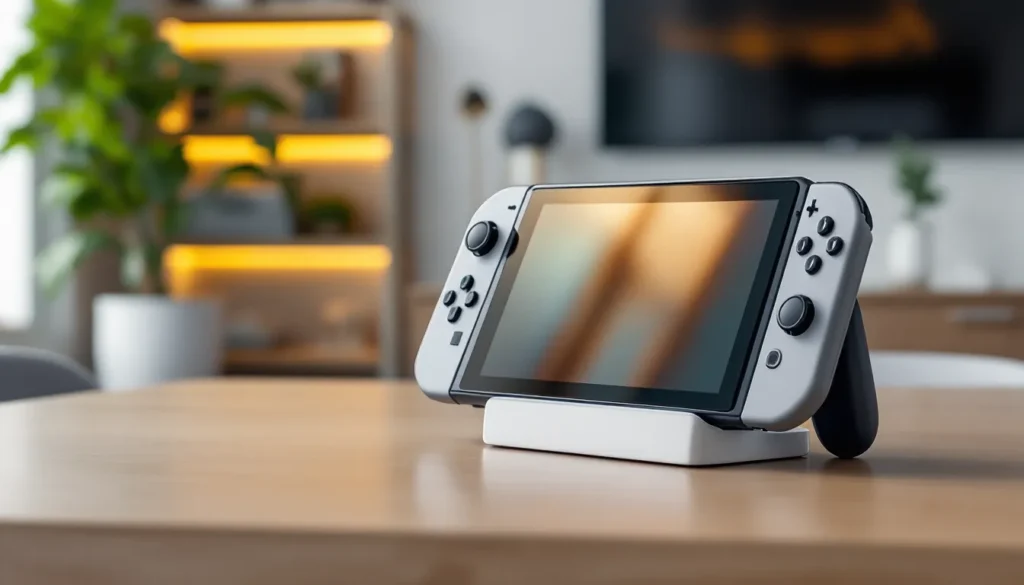
The Nintendo Switch OLED hit shelves on October 8, 2021, and it’s still one of the most talked-about handheld consoles in gaming. If you’re considering whether to grab one in 2026, whether you’re upgrading from the original or stepping into the Nintendo ecosystem for the first time, you need the real details. This isn’t just a minor refresh: the OLED model brings genuinely meaningful improvements that change how the device feels in your hands and looks on the screen. We’ll walk you through the Nintendo Switch OLED release date, what makes it different from its predecessors, pricing at launch, and whether it’s still worth your money five years later.
Key Takeaways
- The Nintendo Switch OLED release date was October 8, 2021, and it remains a strong purchase in 2026 with proven hardware and a mature game library.
- The OLED model offers meaningful upgrades over the standard Switch, including a larger 7-inch OLED display with superior color accuracy, infinite contrast ratio, and better viewing angles.
- With 64GB of built-in storage (double the original), an improved kickstand, and better stereo speakers, the OLED model is the clear choice for first-time buyers at only $50 more than the discontinued standard version.
- Backward compatibility means all original Switch games play on the OLED without modification, giving you access to six years of exclusives like Zelda: Tears of the Kingdom, Mario Kart 8 Deluxe, and thousands of titles.
- If you play handheld frequently, the OLED screen upgrade is genuinely worth the investment; if you dock 80% of the time, the difference is less noticeable since docked output is identical across models.
What Is The Nintendo Switch OLED?
The Nintendo Switch OLED is the third iteration of Nintendo’s hybrid console, designed to be played docked, handheld, or in tabletop mode. Unlike the Switch Lite (which is handheld-only), or the standard Switch, the OLED model bridges the gap between portability and home console experience.
This is essentially the “enhanced” version of the standard Switch. Think of it like how smartphones get Pro versions, same basic functionality, but with meaningful upgrades that actually matter in daily use. The OLED model retains 100% backward compatibility with the original Switch’s game library while offering a better overall experience for both casual play and longer gaming sessions.
The Official Nintendo Switch OLED Release Date
The Nintendo Switch OLED launched on October 8, 2021, in Japan, and rolled out to other regions shortly after. This was roughly five and a half years after the original Switch’s March 2017 release and three years after the Switch Lite’s September 2018 debut.
If you’re shopping in 2026, you’re way past launch day hype, but that’s actually good news, stock is stable, prices have settled, and you’ve got years of third-party reviews and real-world performance data to dig into. The OLED model is still in active production, so availability across major retailers remains solid.
Where The Switch OLED Launched First
North American Availability
North America received the Switch OLED on October 8, 2021, the same day as Japan. Major retailers like GameStop, Best Buy, Target, and Amazon had stock ready at launch, though demand did drive occasional shortages in the opening weeks.
The price point at NA launch was $349.99, a $50 premium over the standard Switch, which made sense given the hardware improvements. By 2026, discounts and occasional sales have brought it down at various retailers, though the MSRP remains consistent.
European And Global Rollout
Europe got the OLED model on October 8, 2021, as well, making the global release remarkably coordinated (unusual for Nintendo). Pricing in Europe was €349.99, which translated to roughly equivalent value across regions.
Other regions followed the same day, ensuring that OLED availability was nearly simultaneous worldwide. This avoided the staggered release frustration that plagued the original Switch’s early months.
Key Improvements Over The Standard Switch
Display And Visual Enhancements
The headline upgrade is the 7-inch OLED screen (up from 6.2 inches on the original). More importantly, it’s OLED technology, which means:
- Perfect blacks: No backlight bleed. Darker games look genuinely darker.
- Infinite contrast ratio: Colors pop. Vibrant games like Splatoon 3 or Kirby and the Forgotten Land feel more immersive.
- Better color accuracy: Games render as developers intended.
- Wide viewing angles: Play in any position: the image stays crisp from the sides.
The original Switch’s LCD screen is… fine, but once you experience OLED on handheld mode, going back feels flat. It’s not a dealbreaker if you’re budget-conscious, but it’s the kind of upgrade that affects your daily experience.
Audio And Built-In Storage Upgrades
The OLED model includes better stereo speakers that actually fill space around you instead of sounding tinny. It’s subtle on handheld, but noticeable in tabletop mode.
Internal storage jumped from 32GB (standard) to 64GB, cutting your reliance on microSD cards right out of the box. You’ll still want to grab a microSD for larger games like Zelda: Tears of the Kingdom, but you’ve got breathing room now.
Design And Durability Changes
The OLED model features a more refined build with white dock and improved kickstand. The original Switch’s kickstand was infamously flimsy: the OLED’s is wider and feels genuinely stable for tabletop play.
The console itself is slightly heavier (about 4.2 oz more), but you’ll barely notice it. The matte finish on the back reduces fingerprints compared to the glossy original. It’s a more premium feel without gimmicks.
Pricing And Availability At Launch
At launch in October 2021, the Nintendo Switch OLED was priced at $349.99 USD and €349.99 in Europe. This represented a straightforward $50 bump over the standard Switch’s $299.99 price tag.
For comparison, a new standard Switch is harder to find now (Nintendo’s been phasing it out), but you can still snag the OLED at major retailers. GameStop, Best Buy, Amazon, and the official Nintendo eShop all stock it regularly. Occasional sales bring it down to $320–$330, though the official MSRP has held.
Bundles occasionally surface, sometimes paired with popular games like Mario Kart 8 Deluxe or The Legend of Zelda: Breath of the Wild. Watch for holiday deals if you’re planning to buy, but don’t expect aggressive discounts. Nintendo maintains price floors on their hardware.
How The Switch OLED Compares To Other Nintendo Consoles
Switch OLED Vs. Standard Switch
The original Switch is still available in limited quantities, though Nintendo has mostly phased it out in favor of the OLED. Here’s the real breakdown:
Display: OLED’s screen is objectively better, brighter, more colorful, better contrast. Standard LCD is passable but noticeably duller, especially in bright environments.
Built-in Storage: OLED has 64GB vs. 32GB on the original. Both need microSD cards for modern game libraries, but OLED gives you more breathing room.
Kickstand: OLED’s is significantly more stable. The original’s kickstand was a common complaint.
Price: Standard Switch is sometimes cheaper on the secondhand market, but brand-new availability is rare. For new purchases, OLED is the better value because you’re getting more console for only $50 more.
Performance: Identical. Same CPU, same GPU, same frame rates and resolution. No performance difference whatsoever, this is purely a quality-of-life upgrade.
Switch OLED Vs. Switch Lite
The Switch Lite is the budget option: handheld-only, smaller screen, lower price (~$199). Here’s where they diverge:
Versatility: OLED docks, plays on your TV, has detachable controllers. Lite is strictly portable and can’t dock.
Screen: OLED is larger (7 inches vs. 5.5 inches) with superior color and contrast. If you’re playing 90% handheld, this matters a ton.
Controllers: OLED uses Joy-Cons that dock with the console. Lite has built-in controls (and Joy-Con drift is a known issue over time).
Game Library: Both play the same games. Zero difference there.
Best for: Choose OLED if you want flexibility and play at home or on the go. Pick Lite if you’re traveling constantly and want something lightweight that’s durable on the move. The OLED is objectively the better console unless weight and portability are absolute dealbreakers.
Game Library And Backward Compatibility
Every game released for the original Switch plays on the OLED without modification. This is massive, you’re getting access to six years’ worth of software, from Nintendo exclusives to third-party ports.
Biggest titles include The Legend of Zelda: Breath of the Wild and Tears of the Kingdom, Super Mario Odyssey, Smash Bros. Ultimate, Mario Kart 8 Deluxe, Animal Crossing: New Horizons, and Splatoon 3. The indie catalog is equally stacked with games like Hollow Knight, Celeste, and Hades all running smoothly.
Third-party support has been solid, you’ll find Fortnite, DOOM, Doom Eternal, The Witcher 3 (handheld version), and even AAA titles like Starfield ports becoming more common. If you’re coming from another platform, you’re not missing out on exclusive functionality.
One note: the OLED model doesn’t change game performance. A game that runs at 720p handheld on the original runs at the same resolution on OLED, you’re just seeing it on a better screen. For competitive titles or ones where frame rate matters (like fast-paced shooters), performance is unchanged from the standard model.
Is The Nintendo Switch OLED Worth Buying In 2026?
Here’s the honest take: if you already own an original Switch and play casually, the OLED isn’t essential. The core experience is identical. Your games run the same, your library transfers seamlessly, and your money might be better spent on new games.
BUT, if you’re buying your first Switch, the OLED is the no-brainer choice. You’re paying only $50 more than you would’ve for the now-discontinued standard model, and you’re getting a measurably better screen, more storage, and a better kickstand. That’s a win.
For anyone who plays handheld frequently, the OLED screen is genuinely worth it. If you dock your Switch at home 80% of the time, the difference matters less, the docked experience is nearly identical because both use the same resolution output to your TV.
The Switch Lite is still a solid budget alternative if portability and cost are priorities, but if you can swing the extra $150 over the Lite, the OLED is the better long-term investment. The gaming library is mature, stable, and massive. Exclusive titles like Zelda: Tears of the Kingdom and ongoing releases keep the console relevant. Five years post-launch, the Switch ecosystem is thriving, not in its prime, but definitely not winding down.
In 2026, you’re not buying into hype or uncertainty. You’re buying into a proven, established console with an incredible library and a clear roadmap of upcoming titles. That’s solid reasoning.
Conclusion
The Nintendo Switch OLED launched on October 8, 2021, and remains one of Nintendo’s smartest hardware revisions. The OLED screen, improved speakers, larger storage, and refined build aren’t gimmicks, they’re meaningful quality-of-life improvements that compound over hundreds of hours of play.
Whether it’s worth buying in 2026 depends on your situation. If you’re upgrading from the original, it’s a nice-to-have. If you’re new to the Switch, it’s the clear choice, the OLED delivers the best handheld experience Nintendo’s offered, and you’re only paying $50 more than the standard model would’ve cost at launch.
The game library is mature and deep. The hardware is proven. Stock is stable. By every metric, now’s a solid time to jump in if you’ve been on the fence. Just be ready to grab a microSD card for storage and maybe a screen protector to keep that gorgeous OLED display pristine.